Australia's Backpacker Visa Changes: What Do They Mean for Small Farms?
Australia is changing its Working Holiday Maker program, creating uncertainty for farms that rely on travelers for seasonal help. Here's what the changes could mean for small farms, permaculture projects and rural hosts.
Australia's Working Holiday Maker program is changing, and farms across the country are paying close attention.
Backpackers have long been part of the seasonal agricultural workforce, particularly in regional and rural areas where farms need extra hands during harvest periods. Recent changes to the program have raised concerns about whether enough travelers will continue making their way to rural Australia.
For large agricultural businesses, this is mainly a question of workforce planning. For smaller farms, permaculture projects, eco-villages and rural properties, it raises a different question: how can small-scale hosts continue to welcome travelers and get practical help when the traditional flow of backpackers becomes less predictable?
What is changing for Australia's backpackers?
In September 2026, the Australian government announced changes to the Working Holiday Maker program. The number of people able to obtain a second Working Holiday Maker visa will be capped at 45,000, down from around 57,000 who qualified this year. Third-year places will be capped at 5,000, compared with around 31,000 previously.
Under the new system, travelers seeking to stay beyond their initial year will have to compete through a ballot for the available places.
The changes have caused concern among agricultural groups because many farms rely on working holiday makers during important harvest periods. Farmers have warned that a smaller or less predictable pool of returning backpackers could make seasonal recruitment more difficult. :contentReference[oaicite:1]{index=1}
The issue has already become particularly visible in the Northern Territory, where mango growers have warned that reduced access to returning backpackers could make it harder to find enough workers during harvest. :contentReference[oaicite:2]{index=2}
Why small farms can feel the change differently
For a large commercial farm, seasonal labor can often be managed through established recruitment channels, contractors and larger workforces.
Small farms are different.
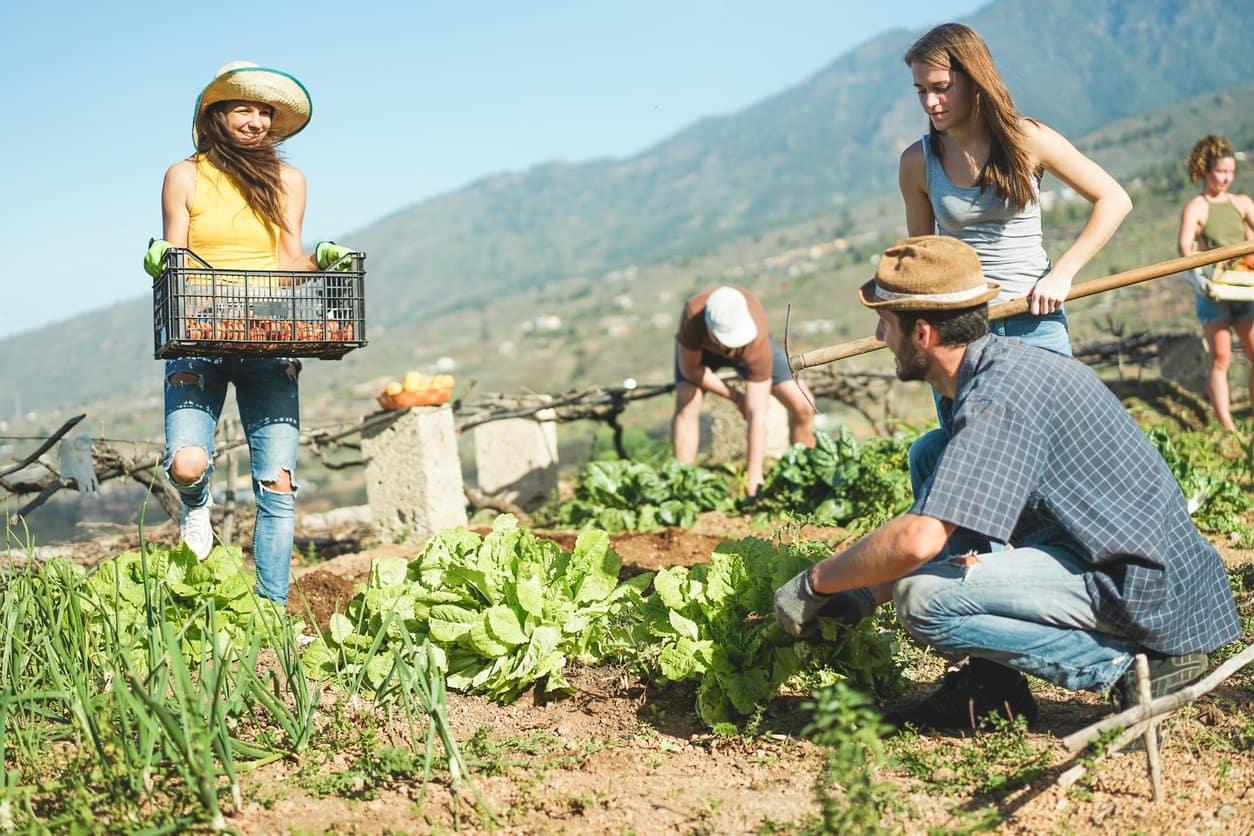
A family-run farm may need an extra pair of hands for a few weeks. A permaculture farm might need help with planting, harvesting, garden maintenance or building projects. An eco-village may have a mixture of gardening, maintenance and community tasks. A small homestead might simply benefit from having another person around to help with everyday work.
These farms may not be looking to recruit a conventional full-time employee. What they often value is a traveler who wants to spend time in a rural environment, learn something new and help with practical projects in exchange for accommodation.
That makes the traditional work-exchange model particularly relevant to smaller rural hosts.
Could work exchange help small farms welcome more travelers?
Work exchange is not a replacement for normal agricultural employment, and it should not be treated as a way around Australian employment or visa rules.
But where a farm is genuinely suited to a work-exchange arrangement, it can create a different kind of opportunity for both sides.
A traveler might stay at a small farm for a few weeks and help with vegetable gardens, harvesting, animal care, maintenance, construction, landscaping or other agreed projects. In return, the host provides accommodation and, depending on the arrangement, meals or access to cooking facilities.
The attraction for a small farm is not necessarily having a large workforce. It is being able to welcome people who are interested in rural life and are happy to become part of the everyday rhythm of the property for a while.
It can be about more than seasonal farm work
Not every rural host needs help picking fruit.
Small farms and regenerative projects can have work throughout the year. Planting, composting, gardening, animal care, fencing, painting, repairs and land maintenance are just some of the practical tasks that can arise.
Permaculture farms and eco-villages can offer an even broader experience. A traveler might learn about food production, sustainable building, natural gardening or community living while helping with ongoing projects.
For these hosts, the value of work exchange can therefore go beyond solving a short-term labor shortage. It can also be a way to meet people from different countries, share knowledge and bring new energy to a small rural project.
What makes a good farm work-exchange opportunity?
The strongest opportunities are usually clear about what the traveler can expect before arriving.
A small farm can explain the type of work involved, how many hours of help are expected, what accommodation is provided and whether meals are included. It also helps to describe the setting itself: how remote the property is, what travelers can do during their free time and what kind of experience the host wants to create.
This is particularly important for rural properties. A traveler expecting a social farm close to a town will have a very different experience from someone staying on an isolated homestead several hours from the nearest city.
Being transparent about the arrangement helps both hosts and travelers find a better match.
What Australian farms should check before accepting travelers
Visa and employment rules can depend on the traveler and the arrangement. Hosts should check the traveler's visa conditions and make sure their arrangement complies with Australian workplace and immigration rules. Working Holiday Makers have specific work conditions, and Australian workplace protections apply to employees. :contentReference[oaicite:3]{index=3}
If you are unsure how the rules apply to your particular situation, check the current guidance from the Australian Department of Home Affairs and Fair Work Ombudsman.
A changing opportunity for small farms
Australia's backpacker system is changing, but the desire to travel, experience rural life and spend time helping on farms is unlikely to disappear.
For small farms, permaculture projects, eco-villages and other rural hosts, this could make it increasingly useful to have a direct way to reach travelers who are specifically interested in this kind of experience.
Rather than depending entirely on the traditional flow of backpackers looking for seasonal farm work, small hosts can also build their own profile and present what makes their property worth visiting.
That is the idea behind Roamhelp: connecting travelers looking for a more local experience with hosts who have a place to stay and practical help to share.
If you run a small farm or rural project and would like to welcome travelers, you can create a host profile on Roamhelp for free.
Ready to start your adventure?
Join the Roamhelp community and discover volunteer opportunities around the world.